


SPF Industrial Specialty Performance Flooring
Understanding Urethane Mortar Flooring: A Solution for Industrial Environments
Urethane mortar flooring delivers extreme durability and chemical resistance that traditional epoxy can’t match in demanding industrial applications.
Introduction:
Your industrial floor takes a beating every single day. Steam cleaning at 185°F followed by cold washdowns. Chemical spills. Heavy forklifts dropping pallets. Traditional epoxy floors crack under this pressure, leaving you with constant repairs, safety hazards, and compliance headaches.
Summary:
South Florida’s industrial facilities face extreme conditions that destroy traditional flooring systems. Urethane mortar flooring provides the ultimate solution with superior thermal shock resistance, antimicrobial properties, and seamless installation that outperforms epoxy.
What Makes Urethane Mortar Flooring Different from Traditional Epoxy
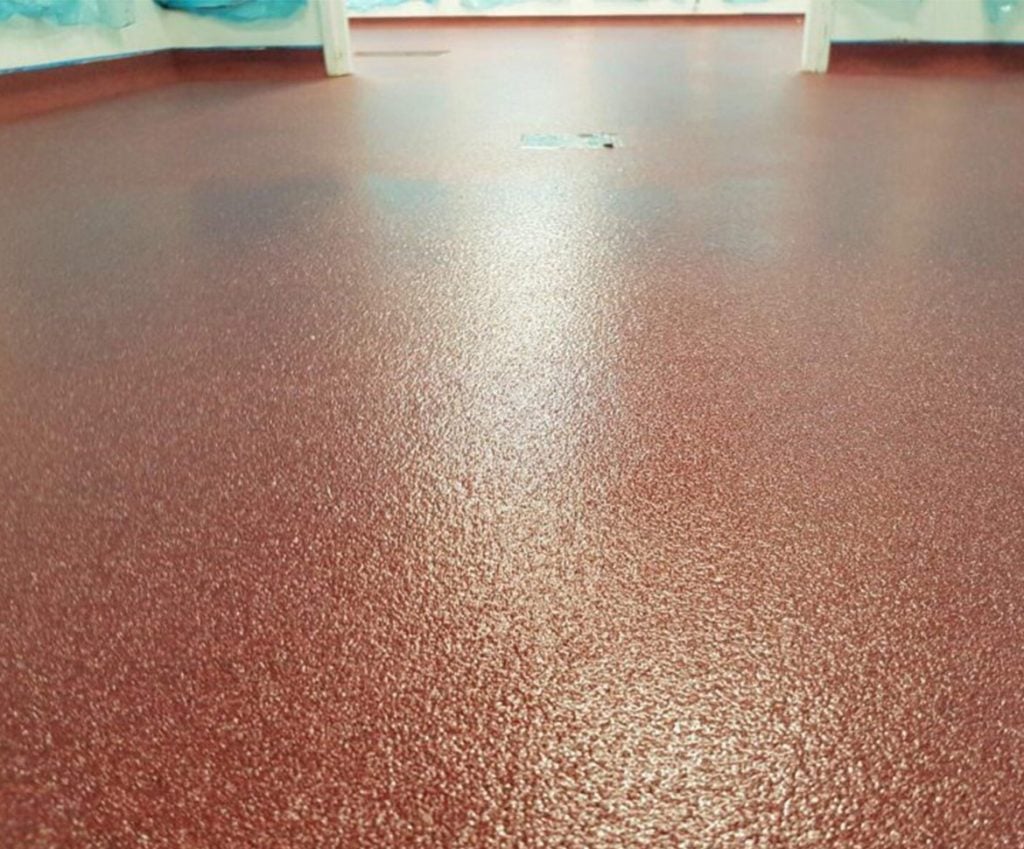
Urethane mortar combines polymer urethane with cement and aggregate. When urethane and concrete are paired together, they yield one of the industry’s most durable flooring options. This isn’t just another coating system.
Cementitious urethane flooring has now surpassed epoxy flooring as the “go to” product for food and beverage processing facilities due to the lowest long-term cost and optimum all-around performance. The chemistry works differently than epoxy, creating flexibility where epoxy becomes brittle.
Unlike other coating systems, urethane mortar can be installed directly on concrete as a stand-alone system without requiring a primer or topcoat, making installation faster and easier.
How Urethane Mortar Handles Extreme Temperature Changes
Here’s where urethane mortar flooring really separates itself from the pack. Whereas standard epoxy floors tend to crack at extreme temperatures, urethane cement floors can handle extremes between -100°F and 220°F without issue, with high heat tolerance for intermittent exposure to even higher temperatures.
Think about what happens in a typical food processing facility. A floor might be at 35°F, then get washed with 185-degree water – that 150-degree difference could shock the floor and cause big problems over time. Unlike epoxies and other flooring systems that would fail in this situation, urethane cement floors resist the thermal shock and other extreme temperature fluctuations.
Urethane mortars can withstand the stress of thermal shock far better than concrete and typical epoxy systems. This means your daily cleaning routines won’t gradually destroy your floor investment. Steam cleaning, hot water washdowns, aggressive detergents – urethane mortar handles it all without developing the micro-cracks that lead to bigger problems.
The flexibility built into urethane systems allows them to expand and contract with temperature changes instead of fighting them. Urethane floors are flexible and able to withstand the repeated abuse and expansion and contraction of extreme temperature changes. That’s why facilities switching from epoxy to urethane mortar often see their floor replacement cycles extend from every few years to decades.
Chemical Resistance and Moisture Protection Benefits
Chemical spills happen. It’s not if, it’s when. Epoxy mortars withstand the abuse of a wide range of chemicals, acids, alkalies, fatty greases, salts, and solvents. But urethane mortar takes chemical resistance even further.
Urethane mortar is resistant to moisture, so a separate moisture vapor mitigation system is not necessary. When a urethane cement system is applied, the floor becomes resistant to some of the toughest conditions in industries including moisture, chemicals, and thermal shock. This is huge for facilities dealing with high humidity, frequent washdowns, or concrete slabs with moisture issues.
Studies have found that urethane cement floors are more than six times more tolerant of moisture than standard epoxy, two times more tolerant of salt than standard epoxy, and one quarter more tolerant of relative humidity than standard epoxy. These aren’t small improvements – they’re game-changers for industrial environments.
Resistance to cooking acids, alkalies, oils, fats and harsh cleaning techniques make these systems a good choice for food and beverage processing facilities, with resistance to arduous cleaning techniques such as steam, hot water and aggressive detergents. Your cleaning protocols won’t have to change to accommodate a weaker floor system.
The seamless nature of urethane mortar means no joints or seams where chemicals can penetrate and cause substrate damage. Urethane floors provide antimicrobial properties helping block the growth of microorganisms, mold, fungi, and other bacteria, with seamless floors providing no place for bacteria to hide such as seams, welds or grout lines, making floors easier to clean.
Installation Process and Durability Advantages
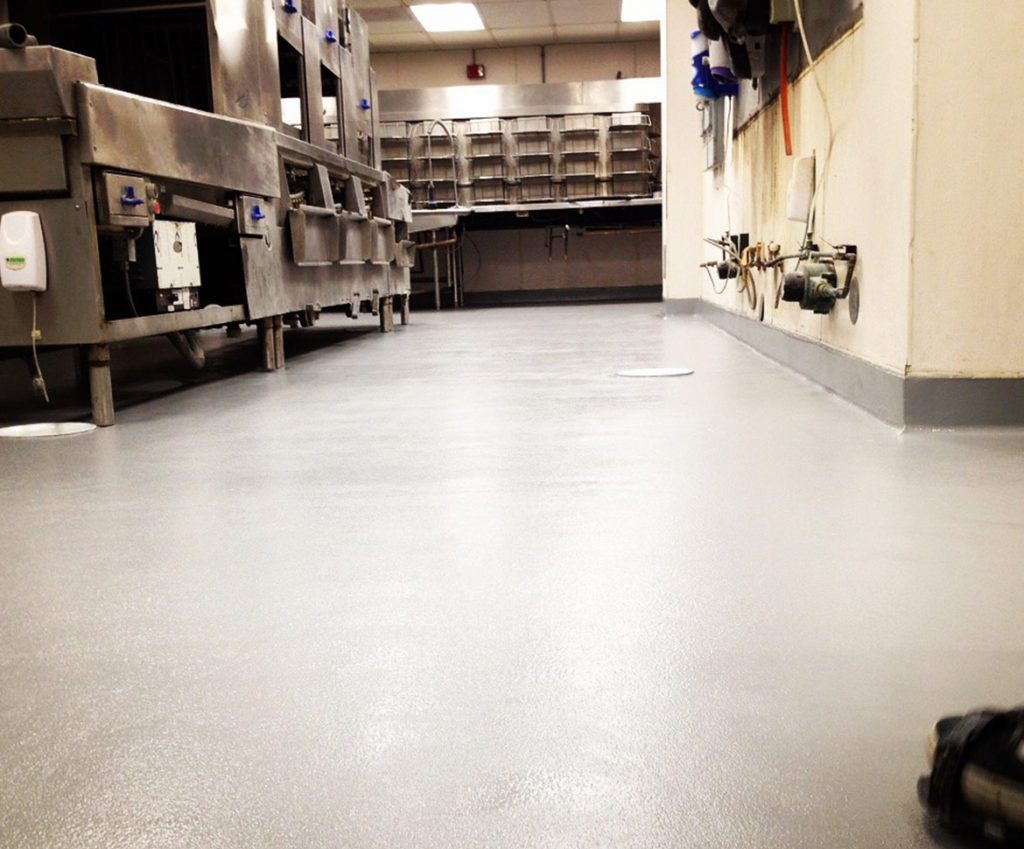
Installation speed matters when you’re trying to minimize operational downtime. Urethane mortar can be applied directly to concrete, and unlike other coating systems, it can be installed directly on concrete as a stand-alone system.
The product can be troweled directly onto the floor without prior application of a bonding agent and it can also be used to repair holes and complete other patch jobs. This flexibility means fewer prep steps and faster project completion.
The durability you get is measurable. Extreme durability, tolerant of high moisture, hot washdowns, sanitizing and chemical resistance, and permanent non-slip texture – this will truly be the last floor that you will ever need to install.
Heavy-Duty Performance for Industrial Equipment
Your forklifts, pallet jacks, and heavy machinery put serious stress on flooring systems. Mortar flooring systems withstand heavy loads, resist abrasion, and help keep concrete from pitting, while also aiding against slip and fall accidents with the right texture by improving grip for employees.
One of the most notable benefits is exceptional impact resistance, making it ideal for areas where heavy equipment or machinery is frequently used. Urethane mortar can support heavy loads, making it perfect for facilities that use forklifts, pallet jacks, and other heavy equipment, with load-bearing capacity ensuring the flooring system will not crack under pressure.
Urethane mortars are durable enough to withstand heavy and abusive service, recommended for resurfacing areas where a durable shock-resistant surface is needed. The thickness of urethane mortar systems – typically 1/8″ minimum but 1/4″ is typical – provides the mass needed to absorb impact without transferring stress to the substrate.
When you have a significantly eroded slab, mortar flooring systems may be able to save your floor, saving you the money of removing concrete and pouring fresh concrete, with the ability to level the floor as necessary to cover spalling, cracking, or pitting. This can turn a major reconstruction project into a resurfacing job.
The seamless nature eliminates the weak points that cause traditional flooring to fail. You can create a seamless floor-to-wall coat with mortar flooring, with the seamless nature of the cove creating a cleaner and more sanitary environment, especially important for food and biomedical facilities.
Regulatory Compliance and Safety Features
Regulatory compliance isn’t optional in industrial environments. The market for industrial flooring is expected to grow faster as more rules and regulations related to workplace safety and cleanliness are implemented, with regulations requiring floors to be clean, hygienic, thoroughly disinfected, easy to clean, non-absorbent, and durable.
Food Safety Modernization Act (FSMA) approved flooring and USDA approved flooring options are available. These aren’t afterthoughts – they’re designed into the system from the ground up.
Microbial inhibiting agents can be added to prevent the growth of bacteria, fungi, viruses and yeasts for clean, safe, and sanitary floors that are easy to clean and work great for food or biomedical facilities, with electrostatic discharge options available for static control issues.
The anti-slip properties aren’t just surface texture that wears away. Slip-resistant flooring is designed with material properties to help reduce slipperiness and increase traction, necessary for the protection of employees, customers, and visitors in both industrial and commercial facilities. The permanent non-slip texture of urethane mortar systems means this safety feature won’t wear off over time.
Urethane floors are available in low VOC options to improve indoor air quality during installation, minimizing the release of harmful emissions that can impact occupant health and comfort, ideal for sensitive environments. This matters when you’re installing in occupied facilities or areas with strict air quality requirements.
Various regulatory bodies across the globe, such as USDA, FDA, and others, have laid down multiple rules and regulations and standards to be followed at the workplace, and it is crucial to adhere to these regulations by all industries. Urethane mortar systems are specifically engineered to meet these requirements without compromise.
Choosing the Right Industrial Flooring Solution for Your Facility
The math is simple when you look at total cost of ownership. Urethane mortar offers the lowest long-term flooring cost and optimum all-around performance. You’re not just buying a floor – you’re buying decades of reliable service with minimal maintenance.
Epoxy floor resurfacers and epoxy coatings have numerous drawbacks in food and beverage and certain chemical processing areas where thermal shock, wet conditions, and chemical spillage is common, with urethane slurry flooring systems taking up the slack in areas and industries where epoxy typically fails.
Your facility deserves flooring that works as hard as you do. We have the experience and expertise to design and install urethane mortar systems that meet your exact requirements, from food processing compliance to heavy industrial abuse resistance.
