


VCT Removal in Bayshore Heights, FL
Fast, Dust-Free VCT Removal Done Right
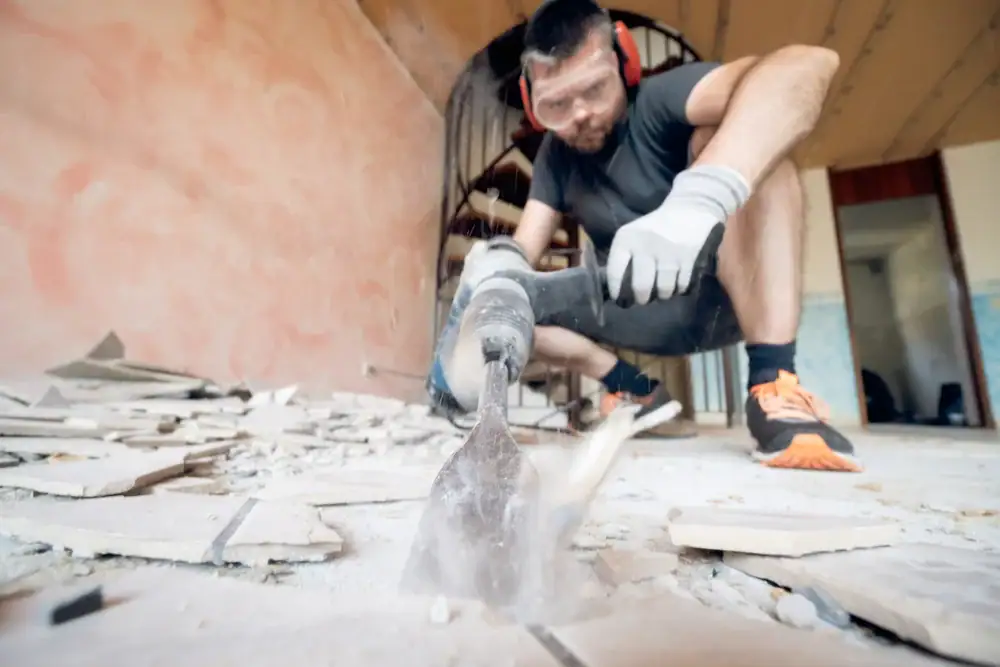
Hear from Our Customers
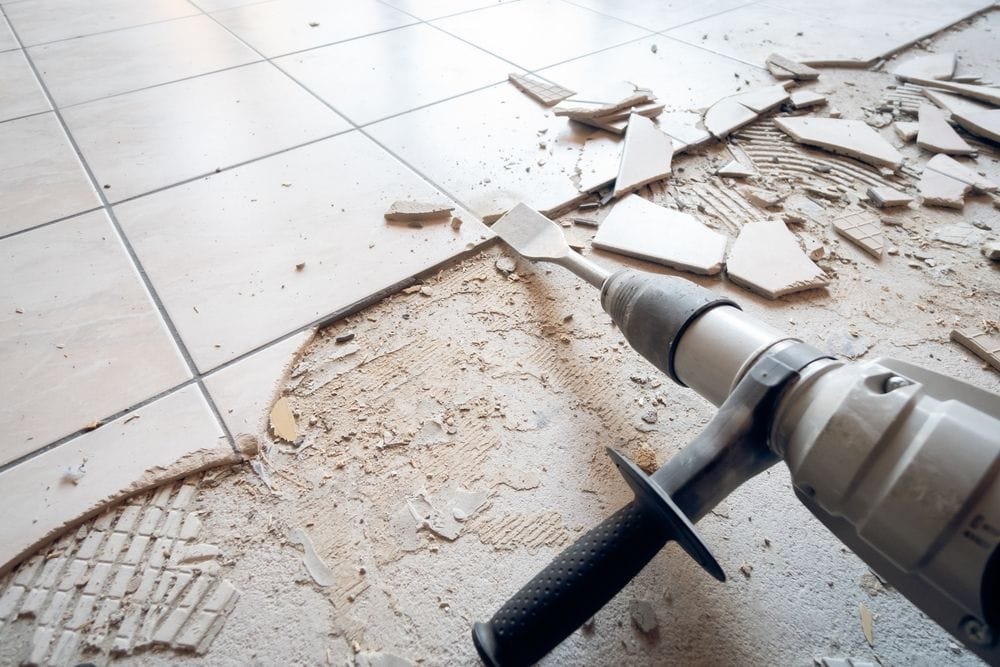
Professional Flooring Removal Bayshore Heights
When your VCT flooring starts lifting, cracking, or showing its age, you need it gone fast so your business can keep running. Professional removal means your new flooring can go down as soon as the next day, not weeks later after dealing with adhesive residue and subfloor damage.
You get a completely clean concrete surface, ready for whatever comes next. No sticky patches, no leftover debris, no guesswork about whether the prep work was done right. Just a smooth, properly prepared subfloor that your new flooring installer will actually want to work with.
The difference between professional removal and amateur work shows up immediately in how your new floor looks and performs. When the foundation is right, everything else falls into place.
Vinyl Composition Tile Contractor Bayshore Heights
We’ve been handling complex flooring projects across Florida since 2020, including work for the US Coast Guard, Army facilities, and municipalities like the City of Doral and City of Sunny Isles. When government facilities trust us with their flooring needs, you know the standards are high.
We specialize in epoxy flooring, polished concrete, and the prep work that makes those installations successful. That means understanding exactly how VCT removal affects what comes next, not just getting the old stuff off the floor.
In Bayshore Heights, property owners need contractors who understand Florida’s unique challenges – humidity, concrete conditions, and the pace of business that can’t afford extended downtime. We work directly with property owners, not through general contractors, so communication stays clear and timelines stay realistic.
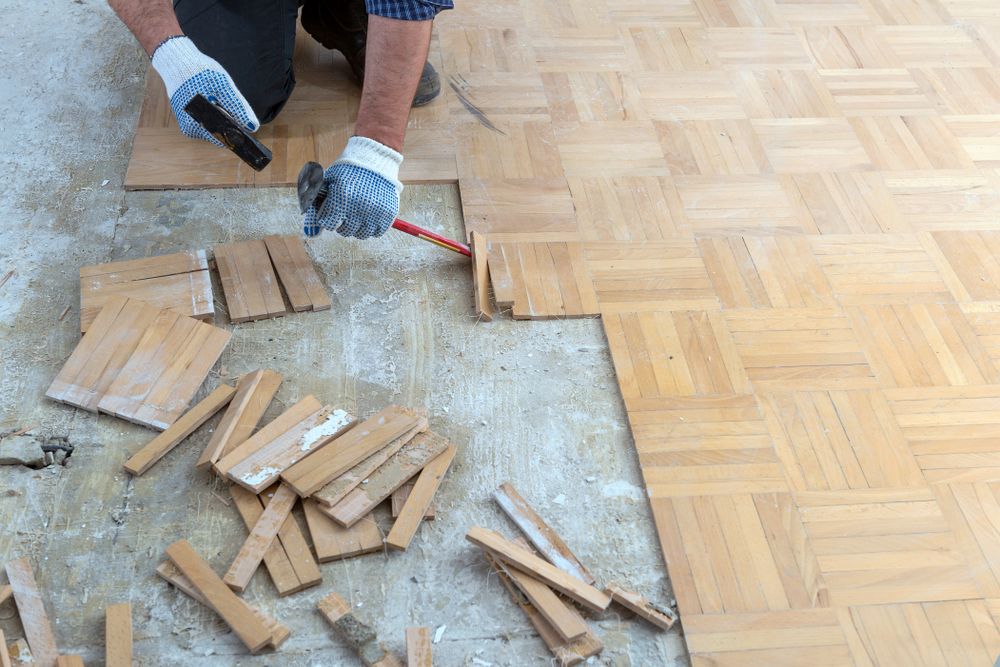
VCT Flooring Removal Process Florida
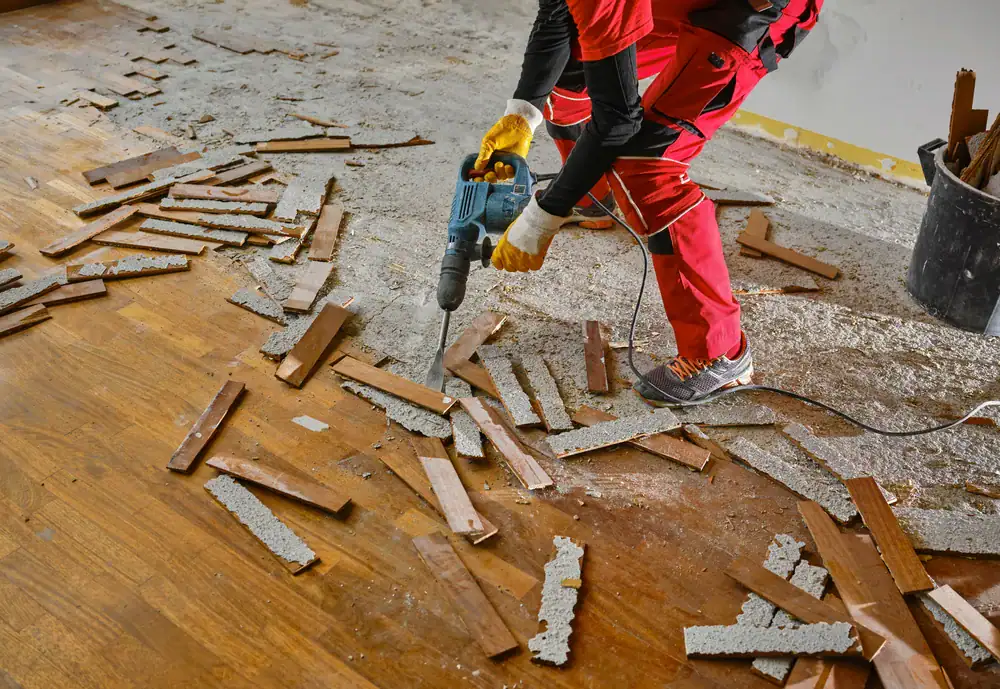
First, we protect your space with dust containment systems and seal off areas that don’t need to be affected by the work. Our state-of-the-art equipment includes ride-on and walk-behind floor scrapers that remove VCT efficiently while protecting your concrete subfloor underneath.
Next comes the detail work – removing all adhesive residue and thinset using professional grinders. This step separates real contractors from weekend warriors. The concrete needs to be completely smooth and clean, or your new flooring will telegraph every imperfection.
Finally, we handle complete debris removal with our own trucks and equipment. You don’t coordinate dumpsters or worry about disposal regulations. We clean up completely, vacuum all dust, and leave you with a surface that’s ready for the next phase of your project.
Ready to get started?
Commercial VCT Removal Services Florida
Professional VCT removal means more than just pulling up tiles. You get complete adhesive removal, proper subfloor preparation, and thorough cleanup that meets commercial standards. We use eco-friendly processes that don’t rely on harsh chemical solvents, which is especially important in occupied buildings.
In Bayshore Heights, many commercial properties were built when VCT was the standard choice for high-traffic areas. These installations often involve multiple layers and industrial-strength adhesives that require specialized equipment to remove properly. Our background-checked crew handles this work with the same attention to detail we bring to military and government projects.
The process includes dust control systems that keep airborne particles contained, protecting both workers and building occupants. We coordinate with your schedule to minimize disruption, including after-hours and weekend work when necessary. Your business operations stay on track while we handle the messy work of getting your floors ready for their next chapter.
How long does VCT removal take for a typical commercial space?
Most commercial VCT removal projects take 1-3 days depending on the size of the area and the condition of the existing flooring. A 5,000 square foot space typically takes about two full days – one day for tile removal and adhesive cleanup, and another day for final subfloor preparation and debris removal.
The timeline can extend if we discover multiple layers of flooring or if the adhesive proves particularly stubborn. Older installations sometimes have asphalt-based adhesives that require more careful handling. We provide realistic timelines during our initial assessment and keep you updated if conditions change.
For businesses that can’t shut down during normal hours, we schedule work during evenings, weekends, or planned closure periods. The key is coordination – when we know your constraints upfront, we can plan the work to minimize disruption to your operations.
Will VCT removal create dust problems in my building?
Professional VCT removal uses dust containment systems specifically designed to control airborne particles. We seal work areas with plastic sheeting and use industrial vacuum systems that capture dust at the source, not after it spreads through your building.
The biggest dust issues come from grinding adhesive residue off the concrete, which is why we use equipment with built-in dust collection. Our vacuums are designed for fine concrete dust, not just the larger debris that comes from tile removal. This protects both our crew and your building occupants.
Buildings with sensitive operations – like medical offices or food service – require extra precautions. We coordinate with facility managers to understand air handling systems and plan work during periods when dust control is most critical. The investment in proper dust control pays off in fewer complaints and faster cleanup.
Can you remove VCT that might contain asbestos?
VCT installed before the mid-1980s may contain asbestos, which requires special handling by certified professionals. We don’t perform asbestos abatement ourselves, but we work with certified specialists when testing reveals asbestos-containing materials.
The process starts with professional testing of a sample before any removal work begins. If asbestos is present, the project shifts to certified abatement contractors who follow strict EPA protocols. This adds time and cost, but it’s not optional – asbestos exposure creates serious health and legal liability.
For buildings where asbestos testing hasn’t been done, we recommend testing before starting any removal work. The small cost of testing prevents much larger problems if asbestos is discovered after work has begun. Many property owners are surprised to learn that even buildings from the early 1980s can have asbestos-containing materials.
What happens to the old VCT tiles after removal?
We handle complete debris removal as part of our service, including proper disposal of VCT materials according to local regulations. Most VCT can be recycled, and we work with facilities that process vinyl materials rather than sending everything to landfills.
The debris removal includes not just the tiles themselves, but all the adhesive scrapings, dust from grinding operations, and any other materials generated during the removal process. We bring our own trucks and don’t leave dumpsters on your property for extended periods.
Disposal regulations vary by municipality, and some older VCT materials require special handling even when they don’t contain asbestos. We stay current on local requirements and handle all the paperwork and coordination with disposal facilities. Property owners don’t need to research regulations or coordinate multiple vendors.
How do you protect the concrete underneath during removal?
Professional removal equipment is designed to remove VCT and adhesive without damaging the concrete substrate. We use ride-on and walk-behind scrapers with adjustable blade pressure that can remove stubborn adhesive without gouging or scarring the concrete surface.
The key is understanding how different adhesive types respond to removal techniques. Some adhesives soften with heat, others require mechanical removal, and some need specific blade angles to come up cleanly. Experience with various VCT installations helps us choose the right approach for each situation.
After tile removal, we use grinders with diamond blades to smooth any remaining adhesive residue. This creates the smooth, clean surface that new flooring requires. The goal is concrete that’s ready for immediate installation of your next flooring system, whether that’s epoxy, polished concrete, or traditional tile and adhesive.
Do you work around business hours to minimize disruption?
Yes, we regularly schedule VCT removal during evenings, weekends, and planned shutdown periods to minimize disruption to business operations. Many of our commercial clients can’t afford to shut down during normal business hours, so flexible scheduling is essential.
The planning process includes understanding your peak business hours, customer traffic patterns, and any operations that can’t be interrupted. We coordinate with building management to understand HVAC schedules, security requirements, and access procedures for after-hours work.
Weekend and evening work does require additional coordination, but it’s often the only practical option for businesses that serve customers during normal hours. Restaurants, retail stores, and medical offices typically need this flexibility. We build these scheduling requirements into our project planning from the beginning, not as an afterthought.
Other Services we provide in Bayshore Heights