


VCT Removal in Miami Lakes
Your VCT Nightmare Ends Here
Hear from Our Customers
Professional Floor Removal Miami Lakes
You’re staring at decades-old VCT that needs to come up. The adhesive has turned into something resembling concrete. You’ve probably already discovered that this isn’t a weekend DIY project.
Here’s what happens when we handle your VCT removal. Your space gets cleared completely – no leftover adhesive ridges, no gouged subfloors, no mystery chemicals lingering in the air. The surface gets prepped properly for whatever flooring comes next.
Most importantly, you don’t spend weeks dealing with contractors who disappear, change prices mid-job, or leave you with a bigger mess than when they started. We show up when scheduled, finish when promised, and leave you with a clean workspace ready for the next phase.
Miami Lakes Flooring Contractors
SPF Industrial has been handling complex flooring projects across South Florida for over four years. We’ve worked with the Coast Guard, US Military, City of Doral, and City of Sunny Isles – clients who don’t accept shortcuts or excuses.
Miami Lakes’ unique challenges don’t surprise us. The humidity that makes adhesive removal more complex, the sandy soil that accelerates floor wear, the building codes that require specific disposal methods – we’ve navigated all of it hundreds of times.
You’re not getting a general contractor who learned about VCT removal on YouTube. You’re getting specialists who understand the difference between cutting corners and cutting costs, between fast work and rushed work.
VCT Removal Process Miami Lakes
First, we test for asbestos if your building predates 1980. No exceptions, no shortcuts. Safety isn’t negotiable, and neither is following proper protocols for hazardous materials.
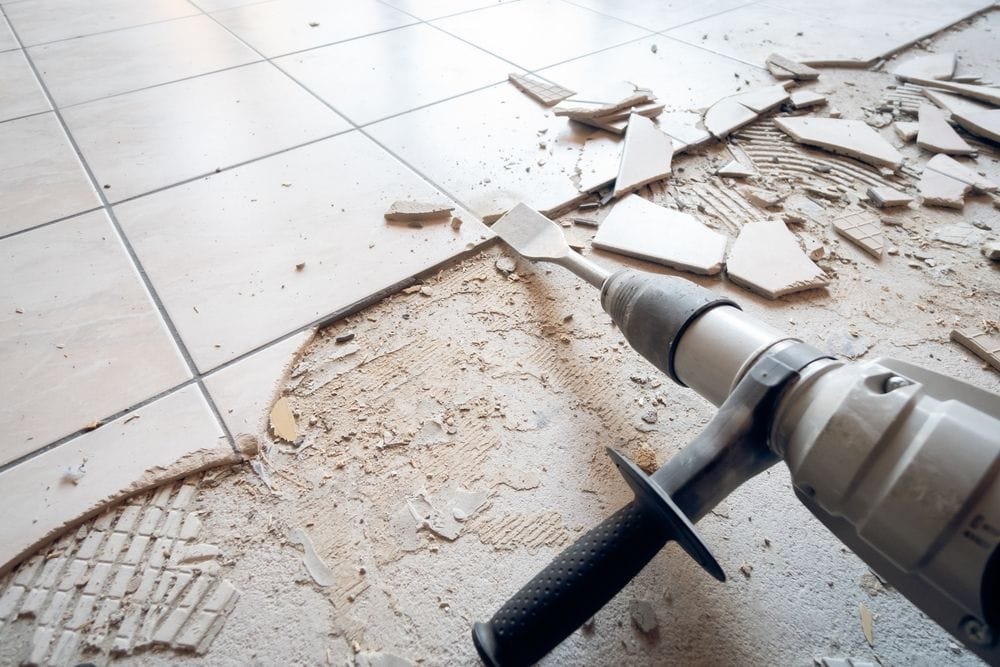
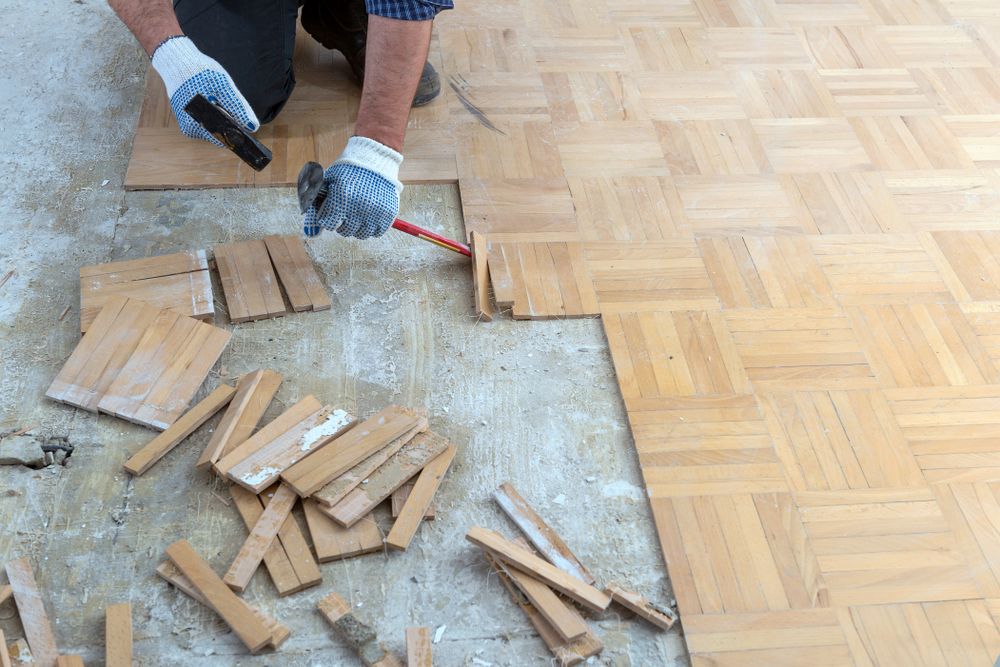
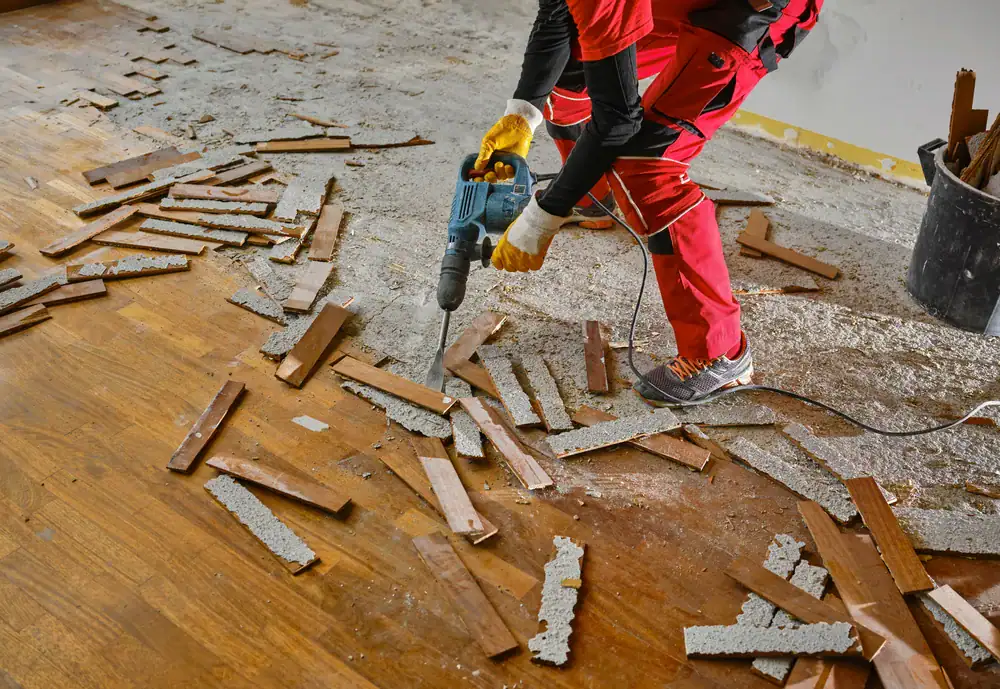
Next comes the actual removal using professional-grade equipment designed for this specific job. We’re not talking about rental store scrapers that barely scratch the surface. Our ride-on and walk-behind machines remove tiles and adhesive efficiently while protecting your subfloor from damage.
The final step involves complete surface preparation. We remove adhesive residue down to a smooth, clean finish that’s ready for your new flooring. No ridges, no sticky spots, no surprises when your new flooring contractor shows up. Everything gets cleaned up and disposed of properly according to Miami-Dade County requirements.
Ready to get started?
Commercial VCT Removal Miami Lakes
Every VCT removal project includes comprehensive dust containment systems because Miami Lakes’ office buildings and commercial spaces can’t afford extended downtime from airborne particles. We understand that your business needs to keep operating while we work.
Miami Lakes’ commercial renovation market has been particularly active, with office sales volume rising significantly in 2024. Property owners are upgrading aging buildings to stay competitive, which means dealing with VCT that’s been down for decades. The adhesive in these older installations has chemically bonded to concrete substrates in ways that require specialized removal techniques.
We handle the complete scope – from initial asbestos testing through final surface preparation. You get transparent pricing upfront, professional-grade equipment that works efficiently in South Florida’s humid conditions, and proper disposal of all materials. Most importantly, you get a surface that’s genuinely ready for your next flooring installation, not just “good enough” preparation that causes problems later.
How do you handle asbestos testing for older VCT installations?
We require asbestos testing for any VCT installation from before 1980, and we recommend it for anything installed through the early 1990s. This isn’t optional – it’s a safety and legal requirement.
The testing process involves taking small samples of both the tile and adhesive, which get analyzed by a certified laboratory. Results typically come back within 48-72 hours. If asbestos is detected, we follow strict EPA protocols for safe removal, including proper containment, specialized equipment, and certified disposal.
Many Miami Lakes commercial buildings fall into the age range where asbestos testing is essential. We handle the entire process, from arranging the testing through managing any required abatement procedures. You don’t have to coordinate multiple contractors or worry about compliance issues.
What makes VCT adhesive so difficult to remove in South Florida?
Miami’s climate creates unique challenges for VCT removal that don’t exist in most other markets. The combination of high humidity and temperature fluctuations actually strengthens the chemical bond between adhesive and substrate over time.
South Florida’s sandy soil, which gets tracked into every building, acts like sandpaper on floor finishes. This means VCT installations here typically last longer before needing replacement, giving the adhesive decades to cure into an almost concrete-like consistency. Standard removal methods that work in drier climates often prove inadequate here.
We use specialized equipment and techniques designed specifically for these conditions. Our approach accounts for Miami’s humidity levels, which can affect both the removal process and the curing time for any new flooring materials that follow.
How long does VCT removal typically take for commercial spaces?
Timeline depends primarily on square footage, adhesive condition, and whether asbestos testing is required. Most commercial spaces in Miami Lakes range from 1,000 to 10,000 square feet, which typically requires 2-5 business days for complete removal and surface preparation.
Asbestos testing adds 2-3 days to the timeline, but this happens before any removal work begins. If asbestos is present, additional time is needed for proper abatement procedures. However, we can often work in phases to minimize business disruption – completing sections during off-hours or weekends.
We provide detailed timelines during our initial consultation, including contingency plans for weather delays or unexpected conditions. Miami Lakes’ active commercial renovation market means we understand the pressure to stay on schedule, and we structure our approach accordingly.
What condition will my subfloor be in after VCT removal?
Your subfloor will be clean, smooth, and ready for immediate installation of new flooring materials. This isn’t just scraping up tiles and calling it done – we remove adhesive residue down to the original substrate.
Proper VCT removal requires understanding the difference between mechanical removal and chemical softening. We use the appropriate method based on your specific adhesive type and substrate condition. Concrete subfloors get cleaned to their original surface profile, while wood subfloors are protected from gouging or damage during the removal process.
The final step involves thorough cleaning and inspection to ensure no adhesive residue remains. Many flooring contractors have horror stories about jobs where inadequate surface preparation caused new flooring to fail. We eliminate that risk by doing the preparation work correctly the first time.
Do you handle disposal of removed VCT materials?
Yes, we handle complete disposal of all removed materials according to Miami-Dade County requirements. This includes both the VCT tiles themselves and any adhesive residue that comes up during the removal process.
Disposal requirements vary depending on the age of the materials and whether asbestos is present. Non-hazardous VCT can go to standard construction waste facilities, while asbestos-containing materials require certified hazardous waste disposal. We manage all the paperwork and certifications required for proper disposal.
You don’t need to arrange separate waste removal or worry about compliance issues. Everything gets handled as part of our service, from initial removal through final disposal documentation. This is particularly important for commercial properties in Miami Lakes, where proper waste disposal documentation may be required for building permits or insurance purposes.
What’s the difference between your service and general contractors who do VCT removal?
We specialize exclusively in flooring preparation and installation, while general contractors typically subcontract VCT removal to whoever’s cheapest that week. This means we have the right equipment, experience, and understanding of what actually works in South Florida’s challenging conditions.
General contractors often underestimate the complexity of VCT removal, leading to change orders, delays, and subpar surface preparation. We’ve seen countless projects where inadequate removal work caused expensive problems when new flooring was installed. Our approach eliminates these issues by doing the job correctly from the start.
We also work directly with property owners rather than adding a general contractor markup to your project costs. You get transparent pricing, direct communication, and accountability from the people actually doing the work. When you call with questions or concerns, you talk to us – not a project manager who wasn’t on site.
Other Services we provide in Miami Lakes