


VCT Removal in Westgate, FL
Clean Floors, Zero Headaches
Hear from Our Customers
Professional Vinyl Composition Tile Removal
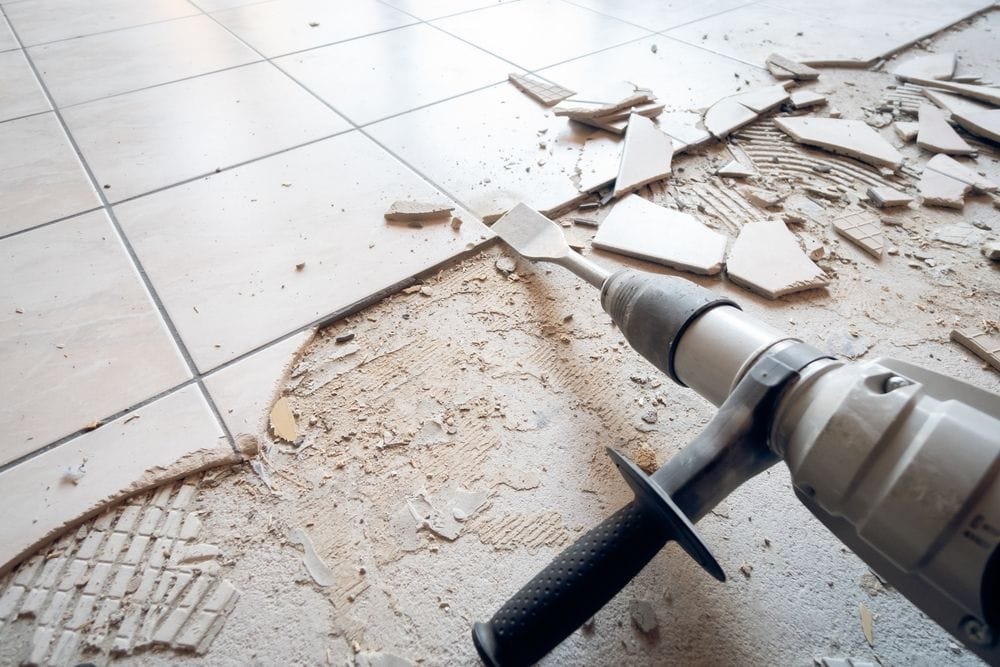
You’re looking at old VCT flooring that’s seen better days. Tiles are cracking, edges are lifting, and that adhesive underneath has turned into something that feels like concrete.
Here’s what happens when you work with professionals who actually know what we’re doing. Your floors get stripped down to bare concrete without destroying what’s underneath. No dust coating everything you own. No sticky residue that makes your next contractor shake their head.
The space is clean, level, and ready for whatever comes next. Whether that’s polished concrete, new epoxy, or another flooring system entirely, you’re starting with a proper foundation instead of trying to build on top of problems.
Westgate Flooring Removal Experts
SPF Industrial has been solving flooring problems across South Florida since 2020. We specialize in the messy, complicated jobs that require real expertise – like removing decades-old VCT that’s bonded to concrete with industrial-strength adhesive.
We’ve worked on everything from Coast Guard facilities to high schools throughout Palm Beach County. The kind of projects where there’s no room for shortcuts or learning on the job.
In Westgate’s established commercial and residential properties, many built between the 1970s and 1990s, we understand the specific challenges that come with older VCT installations. These floors weren’t designed to be temporary, and removing them properly takes the right equipment and experience.
VCT Floor Removal Process
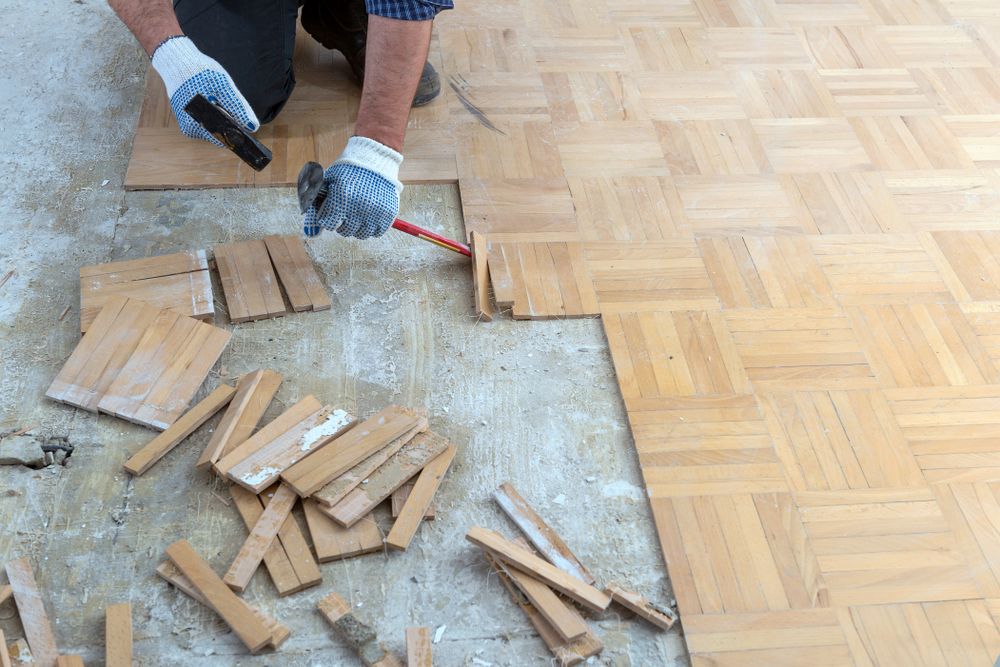
First, we assess your specific situation. Different adhesives, different tile ages, different substrates – it all matters for planning the right approach.
We set up dust containment systems before any removal begins. This isn’t optional when you’re dealing with potential asbestos or just want to avoid cleaning adhesive dust out of your HVAC system for the next six months.
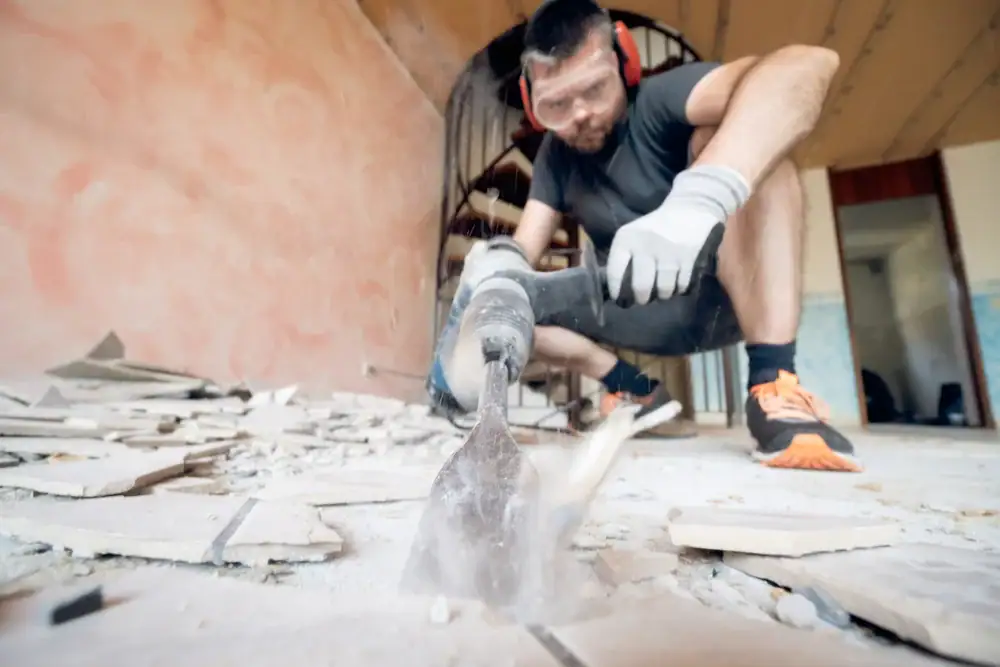
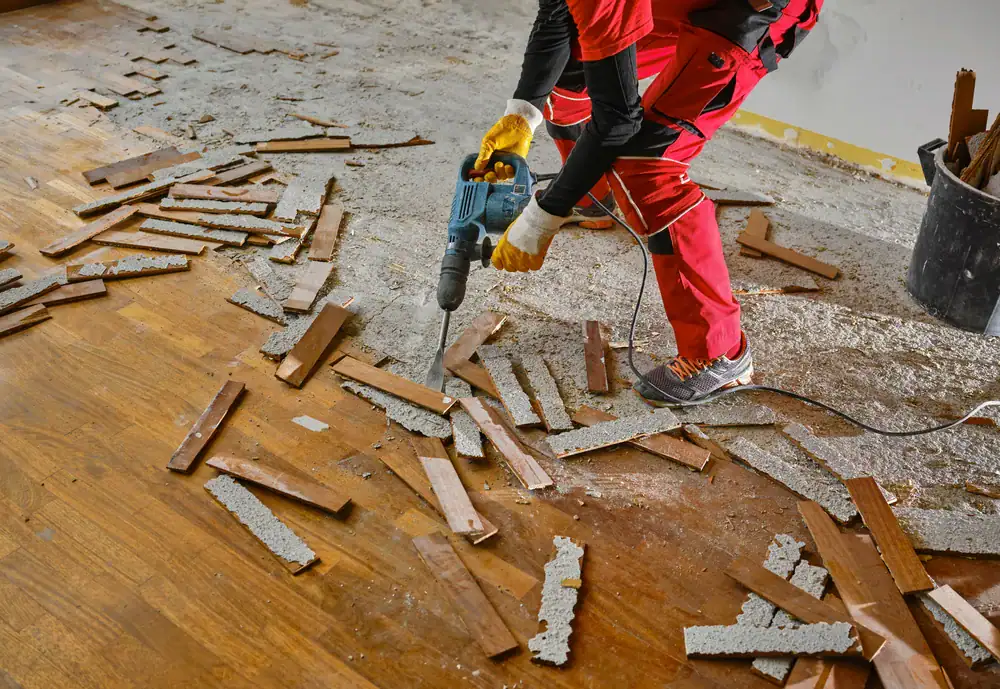
The actual removal uses ride-on and walk-behind scrapers designed specifically for this work. These aren’t rental store tools – they’re commercial-grade equipment that can handle stubborn adhesive without gouging your concrete.
After the tiles are up, we tackle the adhesive layer. This is where most DIY projects fail completely. The residue gets ground down to bare concrete, leaving you with a clean, level surface that’s ready for whatever flooring system comes next.
Ready to get started?
Complete VCT Removal Services
Your VCT removal includes complete tile and adhesive removal, dust containment throughout the process, and proper disposal of all materials. We handle asbestos testing coordination if needed for older installations.
In Westgate’s mix of commercial properties and established residential areas, timing matters. We can work around your schedule to minimize disruption, whether that’s after hours for businesses or coordinating with other contractors on renovation projects.
The service covers surface preparation that meets specifications for new flooring installation. Your next contractor won’t be dealing with adhesive residue, uneven spots, or contamination issues that could compromise their work.
How do I know if my VCT contains asbestos?
VCT tiles installed before 1984 may contain asbestos, especially if they’re 9-inch, 12-inch, or 13-inch squares in dark colors like black or burgundy. The adhesive underneath is often more problematic than the tiles themselves.
You can’t determine asbestos content by looking at the tiles. Professional testing is the only reliable method, and it’s required before removal in many commercial situations.
If asbestos is present, removal requires specialized procedures and certified contractors. The good news is that many VCT installations in Westgate’s newer commercial buildings don’t have this issue, but testing eliminates guesswork and potential liability.
Can I remove VCT myself to save money?
Removing a few loose tiles is one thing. Removing an entire floor with decades-old adhesive is completely different. The adhesive becomes harder and more stubborn over time, often requiring commercial-grade equipment to remove properly.
DIY removal typically creates more problems than it solves. Inadequate dust control spreads contamination throughout your property. Improper technique damages the substrate underneath. Incomplete adhesive removal causes problems with new flooring installation.
The time investment alone usually makes professional removal cost-effective. What takes a crew with proper equipment one day could take weeks of weekend work, assuming you can even get the adhesive off without damaging your concrete.
How long does VCT removal take?
Most residential spaces can be completed in one to two days, depending on the size and condition of the installation. Commercial spaces vary based on square footage and access requirements.
The timeline depends on several factors: how long the VCT has been installed, what type of adhesive was used, and the condition of the substrate underneath. Newer installations with water-based adhesives come up faster than 30-year-old tiles with cutback adhesive.
Planning around your schedule is part of the service. For businesses in Westgate’s commercial areas, we can often work evenings or weekends to avoid disrupting operations. Residential projects typically happen during normal business hours unless you need something different.
What happens to the old VCT and adhesive?
All removed materials are properly disposed of according to local regulations. VCT tiles can often be recycled, while adhesive waste requires specific handling depending on its composition.
If asbestos is present, disposal follows strict hazardous waste protocols with proper documentation and certified disposal facilities. This isn’t something you can handle through normal waste pickup.
The disposal process is included in the service cost, so you don’t have to coordinate multiple contractors or worry about compliance issues. Everything gets handled properly from removal through final disposal.
Will VCT removal damage my concrete floor?
Professional removal with proper equipment actually protects your concrete substrate. Commercial-grade scrapers are designed to remove adhesive without gouging or damaging the concrete underneath.
The key is using the right technique and equipment for your specific situation. Different adhesives require different approaches, and experienced contractors know how to adjust their methods accordingly.
DIY attempts with rental equipment often cause more damage than the original flooring problems. Proper removal leaves you with clean, level concrete that’s ready for new flooring installation without additional surface preparation.
How much does professional VCT removal cost?
Cost depends on the total square footage, the age and condition of the installation, and any special requirements like asbestos handling or after-hours work. Most projects fall within a predictable range once these factors are assessed.
Getting an accurate estimate requires looking at your specific situation. The type of adhesive, access issues, and disposal requirements all affect pricing. A phone description usually isn’t enough for reliable pricing.
The consultation process includes transparent pricing with no surprise charges. You’ll know exactly what’s included and what the total cost will be before any work begins. Most clients find professional removal costs less than they expected when they factor in time, equipment rental, and disposal fees.
Other Services we provide in Westgate